






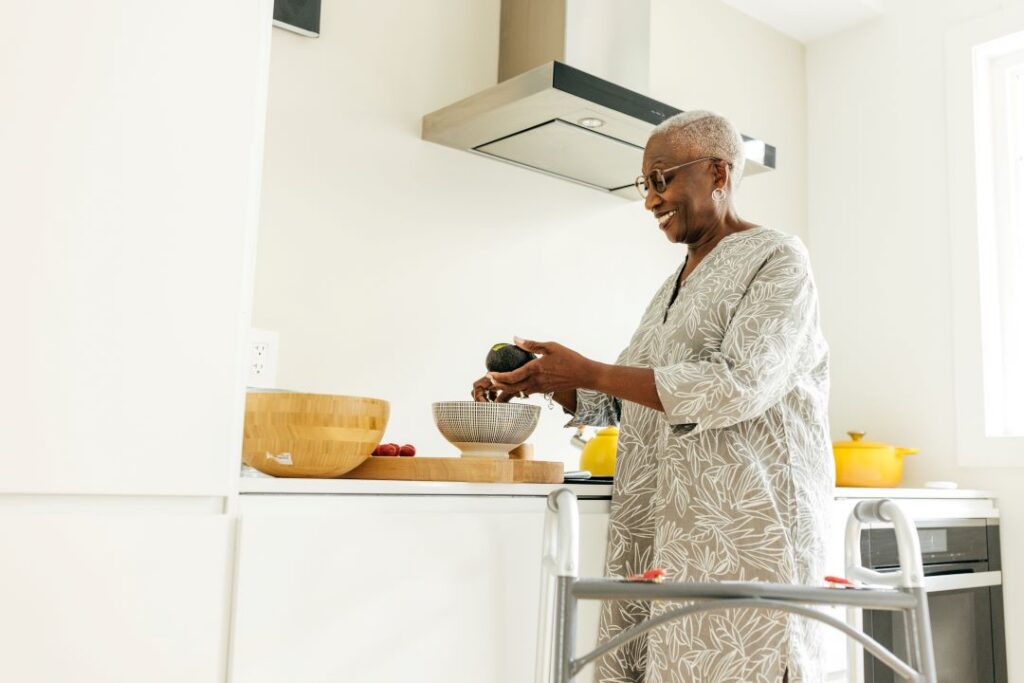
July is Disability Pride Month, a time to celebrate the contributions, achievements, and experiences of people with disabilities while recognizing the importance of accessibility, inclusion, and independence. The Americans with Disabilities Act (ADA) in 1990 was landmark legislation that expanded access and opportunities for millions of Americans.
Disability is more common than many people realize. About 61 million Americans – one in four – live with a disability; for those 65 or older, the number rises to more than 40%. The six main types of disabilities are:
- Hearing (serious difficulty hearing)
- Vision (serious difficulty seeing)
- Cognition (serious difficulty concentrating, remembering, or making decisions)
- Self-care (difficulty dressing or bathing)
- Independent living (difficulty doing errands alone)
- Mobility (serious difficulty walking or climbing stairs)
Mobility challenges are the most common type of disability among older adults.
Affordable home modifications
For many people, independence with disability starts at home. Being able to move safely, communicate effectively, and take part in daily routines can improve confidence, reduce stress, and support quality of life. The good news is that creating a more accessible home does not always require major renovations. These five small changes can make a meaningful difference:
- Install grab bars. Grab bars near toilets, showers, and stairways provide extra stability and reduce fall risk. They can help individuals with mobility limitations, balance concerns, arthritis, or those recovering from illness or injury. Modern grab bars come in attractive styles and are often less expensive than many people expect.
- Improve lighting. Poor lighting can make it difficult to navigate safely, especially for people with low vision or balance challenges. Adding brighter bulbs, motion-sensor lights, or under-cabinet lighting can improve visibility and reduce the risk of trips and falls.
- Replace round doorknobs. Lever-style handles are easier to use for people with arthritis, hand weakness, or limited dexterity. This small modification can make daily tasks more comfortable while promoting independence.
- Remove tripping hazards. Loose rugs, electrical cords, and cluttered walkways are common causes of falls. Clearing pathways and securing rugs with non-slip backing creates a safer environment for everyone, especially older adults and those using walkers or canes.
- Make showering easier. Bathing can become more challenging with age or disability. Adding a shower chair and handheld showerhead can allow individuals to conserve energy, improve safety, and support personal independence.
Technology is also making accessibility easier and more affordable than ever. Consider using:
- Voice-controlled smart devices. Smart speakers and voice assistants can help individuals control lights, make phone calls, set reminders, check the weather, and manage schedules without needing to stand up or manipulate small buttons. They can be especially helpful for people with mobility limitations, arthritis, or visual impairments.
- Video calling and communication apps. Staying connected supports emotional well-being and reduces isolation. Video calling platforms allow family members, caregivers, and healthcare providers to stay in touch, even when distance or transportation challenges make in-person visits difficult.
- Medication management technology. Electronic medication dispensers, reminder apps, and automated alerts can help individuals remember medications and avoid missed doses. These tools are particularly helpful for people managing multiple prescriptions or mild memory shifts.
Support beyond the home modifications
Sometimes the most effective accessibility solution is support from experienced professionals. Home care services can help individuals adapt daily routines, assist with personal care, provide companionship, and support safe participation in activities they enjoy. Even small adjustments can make a significant difference in keeping independence.
Rehabilitation teams often evaluate how people move through their homes and find opportunities to improve safety and function. Physical therapists may recommend mobility strategies and exercises, while occupational therapists focus on making daily activities easier and more accessible.
Other services can also help. Home health nurses can watch changing health needs and provide skilled clinical care. Pharmacy can help simplify medication routines through education and senior-friendly packaging. Adult Day Health Care programs offer opportunities for social engagement, nursing support, therapy services, and meaningful activities in a safe, supportive environment.
Accessibility is rarely about one solution. It is often the result of many small supports working together.
Setting up success
If you are considering home care, therapy, or other support services, taking photos can help professionals better understand your environment and make recommendations more quickly. Make sure to capture:
- Your front entrance. Capture steps, railings, pathways, and doorways. This helps show potential barriers to entering and leaving the home safely.
- The bathroom. Take photos of the shower, bathtub, toilet area, and available grab bars. Bathrooms are one of the most common locations for falls and injuries.
- Frequently used pathways. Photograph hallways and routes between key rooms. Care teams can identify tripping hazards and opportunities for improved accessibility.
- The bedroom. Include the bed, surrounding furniture, and available walking space. This helps assess transfers, nighttime safety, and mobility needs.
- The kitchen. Show counters, appliances, and storage areas. Small changes in organization can sometimes make meal preparation easier and safer.
Remember, asking for support is not giving up independence. In many cases, it is exactly what helps people keep it. The sooner challenges are identified, the quicker options are available to create a safe, comfortable, and accessible home where individuals can continue living life on their own terms.
And during Disability Pride Month, that commitment to independence, inclusion, and full participation in daily life is something worth celebrating.