






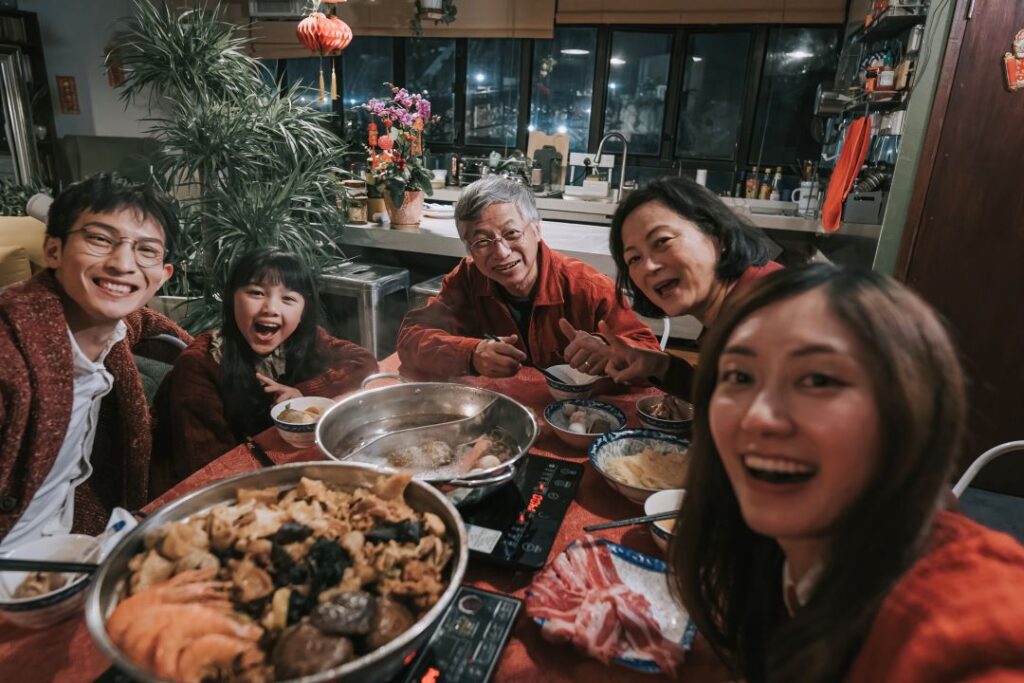
Tagged as “the most wonderful time of the year,” the holiday season can also be one of the most stressful. A recent study found that nearly one-third of all adults expect increased stress during the holidays, citing finances, family expectations, and packed schedules. For seniors and caregivers, these pressures can be even more intense. Older adults may juggle health concerns, mobility limitations, or changes in family traditions, while caregivers often shoulder extra responsibilities on top of an already full load.
Reducing stress is usually easier said than done regardless of time of year. But around holidays, there are a few thoughtful strategies which could make it possible to enjoy the season with more connection, less pressure, and greater peace of mind.
- Simplify your plans. Bigger isn’t always better, especially when energy and time are limited. Choosing smaller gatherings, shorter events, or simplified menus can preserve joy while protecting well-being. Research shows that stress can worsen chronic conditions like heart disease and diabetes, so scaling back can make the holidays safer and more enjoyable.
- Set realistic expectations. Many of us compare today’s celebrations to memories of holidays past. Caregivers can often feel pressure to “make everything perfect.” Perfection is not only impossible; it’s also unnecessary. Setting achievable expectations with everyone, particularly our older loved ones, helps reduce tension and fosters meaningful experiences. Studies show that mindset matters: people who focus on what’s manageable, rather than ideal, experience lower stress and higher satisfaction during the holidays.
- Prioritize rest and routine. The holiday season often disrupts daily habits, from sleep schedules to medication management. For seniors, routine supports physical health, mood stability, and cognitive well-being. For caregivers, rest is essential: research finds caregiver sleep health is strongly associated with their mental health and well-being. Maintaining familiar routines – even during festivities – helps everyone feel steady and supported.
Creating meaningful, low-stress holiday practices is also an effective way to reduce stress. Not all traditions require extra time, money, or energy. For example:
- Gathering to watch a favorite holiday movie is a pleasant, accessible, and easy-to-do activity. No travel, clean-up, or expectations; just presence. Add in hot cocoa and popcorn if you want. It’s ideal for seniors with mobility challenges or caregivers who need low-effort connection.
- Story-sharing sessions where loved ones recount favorite memories or family stories can encourage emotional connection while requiring no physical demands. It also preserves intergenerational bonds. Research shows that reminiscing can boost mood and cognitive engagement for older adults.
- “One-and-done” gift exchange reduces financial stress and cuts the pressure of shopping for multiple people. Instead of large-scale gifting, try drawing one name or choosing a theme such as homemade items or acts of service.
Sometimes, managing holiday stress means getting a little help. Adult Day Health Care at Four Seasons provides seniors with engaging activities, social connection, and attentive support while giving caregivers the respite they need during the busiest time of year. Even a few hours of structured, reliable care can ease stress, prevent burnout, and make the season more enjoyable for everyone.
Remember: there’s no one right way to spend the holidays. Enjoying moments that bring meaning and belonging are important, but they can look different for each of us. It’s okay to opt out of holiday plans that may not work for you. This year focus on the traditions that bring in joy instead of stress.