





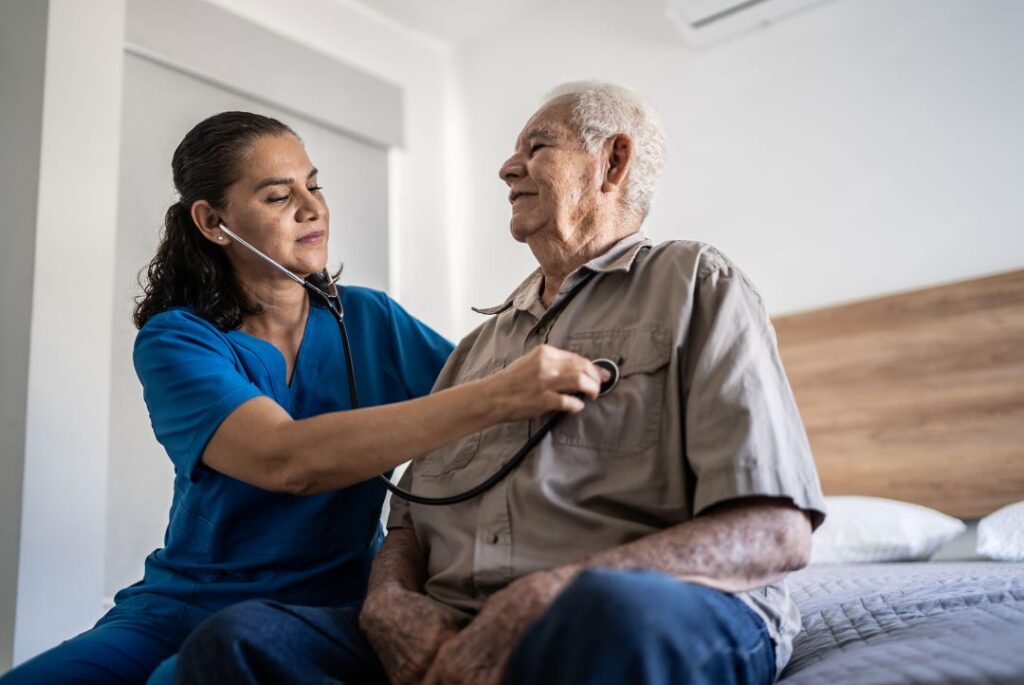
When you think of cardiac rehabilitation, what do you see? Do you picture treadmills, heart monitors, and lots of clinic visits? For most individuals recovering from a heart event, the real progress happens at home. Sustainable recovery takes place in the daily routines, medication schedules, movement through familiar spaces, and shared meals with loved ones.
Heart disease is still the leading cause of death in the United States, responsible for about one in three deaths. Research consistently shows that cardiac rehabilitation is both clinically and cost effective to help patients. It reduces the risk of future cardiac events, improves physical function, and lowers mortality. But follow-through matters just as much as enrollment. Home-based cardiac rehabilitation has been shown to lower hospitalizations, blood pressure, cholesterol, depression, and even all-cause mortality. Coordinated support can make a meaningful difference.
Healing at home
Returning home, individuals have to turn clinical guidance into daily choices. A mix of professional care and personal support can translate medical plans into sustainable habits to make the healing journey safer, steadier, and more realistic in everyday life.
Home health: bridging the gap between hospital discharge and daily living
The transition home after a cardiac event is one of the most vulnerable phases of recovery. Up to 50% of heart failure patients are readmitted to the hospital within 30 days, often due to medication issues, unmanaged symptoms, or confusion about care instructions. Home health services help bridge this gap by translating clinical recommendations into practical, day-to-day care.
Home health can reinforce discharge instructions, check vital signs, assess symptoms like shortness of breath or swelling, and identify concerns before they escalate. This kind of oversight improves continuity of care and reduces avoidable readmissions. Just as importantly, it helps patients and families regain confidence navigating recovery in a familiar environment.
Skilled nursing and physical therapy: bolstering long-term cardiac stability
Long-term heart health depends on consistent monitoring and gradual, guided movement. Home-based skilled nursing care supports stability by tracking blood pressure, heart rate, weight changes, and signs of fluid retention; all are key indicators for people recovering from cardiac events. This vigilance protects progress.
Physical therapy plays an equally critical role. Physical therapists help patients safely rebuild stamina and integrate movement into everyday tasks. The goal is to make exercise achievable and sustainable rather than intimidating.
Pharmacy: balancing the medications for best outcomes
Medication management is one of the strongest predictors of successful cardiac recovery – and one of the most common challenges. Studies estimate that about 50% of patients with chronic conditions do not take medications as prescribed. Not taking medications properly significantly increases the risk of complications and rehospitalization.
Coordinated pharmacy services help through clear education, simplified packaging, refill synchronization, and communication with clinical teams. For heart patients who may be managing multiple prescriptions, these supports can reduce confusion and help make sure drugs are taken consistently and correctly.
Home care: backing up the caregivers
Recovery doesn’t happen in isolation. Family caregivers often become the quiet backbone of heart health by helping with meals, encouraging movement, watching for symptoms, and providing emotional reassurance. Engaged caregivers help individuals follow care plans, attend follow-up appointments, and maintain healthy behaviors.
Over 40% of caregivers report low overall well-being and less than 25% report “good mental health.” Home care can be the extra bit of help to reduce the stress on caregivers by taking care of errands, cooking meals, doing light housekeeping, or providing respite. When caregivers are supported, heart health becomes a shared, sustainable effort.
Check-in with your heart
Staying on track with cardiac rehabilitation is the best way to ensure a healthier future. Here are five questions to see if your heart recovery is on track:
- Do you understand your current heart condition and warning signs to watch for?
- Are medications taken consistently and exactly as prescribed?
- Are you moving safely and regularly in ways recommended by your care team?
- Do you have professional support checking in on your progress at home?
- Is there a caregiver or support person helping reinforce healthy routines?
If you answer “no” or “not sure” to any of these questions, additional support may help strengthen recovery and reduce risk.
Cardiac rehabilitation isn’t confined to a program or a place; it’s a process that unfolds in real life, day by day. With coordinated support, heart recovery becomes safer, steadier, and more sustainable. During American Heart Month and Cardiac Rehabilitation Week (Feb. 8-14), it’s a reminder that the heart heals best when care meets people where they live.